
Plywood strength is not decided in the factory—it begins in the forest. The density, fibre structure, and moisture behaviour of the wood species used in manufacturing determine whether a plywood sheet becomes strong and durable or weak and unreliable. In Bihar, where plywood manufacturing has expanded rapidly in regions like Siwan, Gopalganj, Chhapra, Muzaffarpur, and Patna, the use of high-density hardwoods from Eastern India has become the backbone of quality production.
Eastern India is blessed with some of the strongest hardwood species available domestically, including eucalyptus, gambhar, poplar, and gurjan substitutes. These woods offer superior screw-holding capacity, increased bending strength, higher internal bonding value, and exceptional durability. As plywood demand accelerates in Bihar’s real estate, furniture, and contracting markets, manufacturers increasingly rely on dense hardwoods to produce panels that surpass conventional performance benchmarks.
This blog explores the science, advantages, and manufacturing impact of using high-density Eastern Indian hardwoods in Bihar’s plywood industry.
Why High-Density Hardwood Matters in Plywood Manufacturing
Wood density directly influences structural performance. High-density woods possess tighter fibre arrangements, greater mass per cubic meter, and stronger internal cell bonding. In plywood, this translates into several advantages:
- Higher load-bearing strength
- Superior internal bond (IB) values
- Better nail and screw retention
- Greater resistance to bending and shear
- Longer service life in humid environments
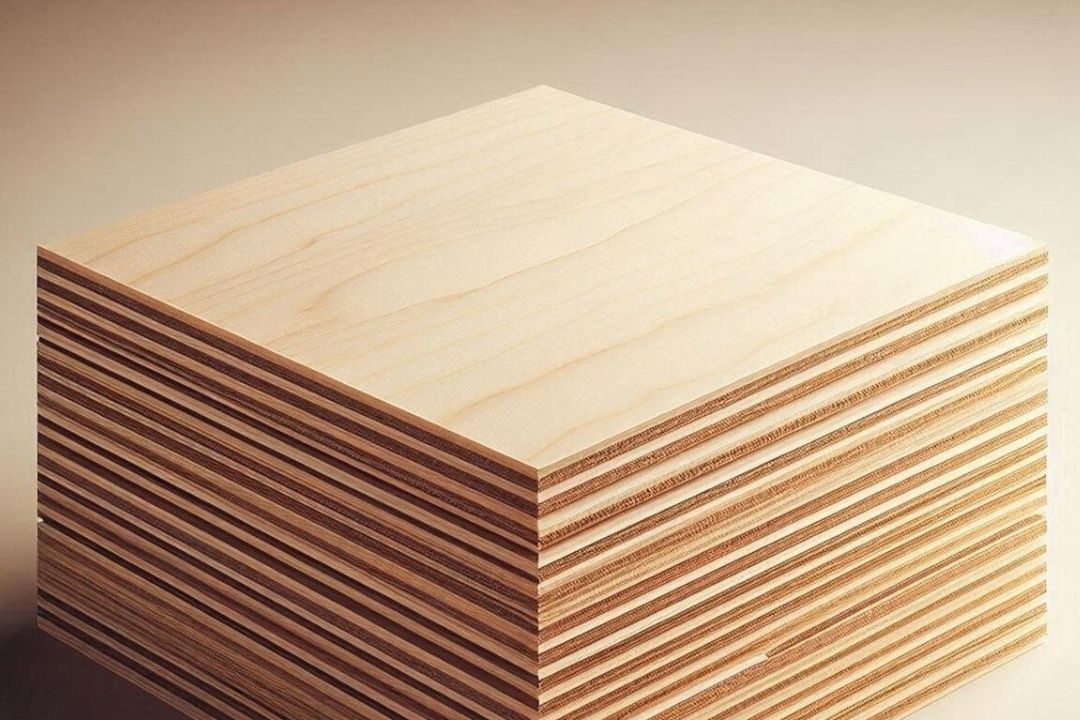
When plywood made from dense hardwood is exposed to pressure, weight, or climatic stress, it retains its shape and integrity much better than plywood made from soft or low-density species.
In states like Bihar, where the climate is unpredictable and humidity fluctuates throughout the year, plywood performance is tested constantly. High-density species make plywood significantly more stable in such conditions.
Hardwood Species Commonly Used in Bihar’s Plywood Factories Eucalyptus:The Backbone of Eastern India’s Ply Industry
Eucalyptus is one of the hardest, densest, and strongest plantation species available in the region. Each cubic meter of well-grown eucalyptus weighs between 650 kg and 750 kg, providing exceptional strength and bonding performance. Manufacturers in Siwan prefer eucalyptus for core veneers because it maintains structural rigidity even under high pressure.
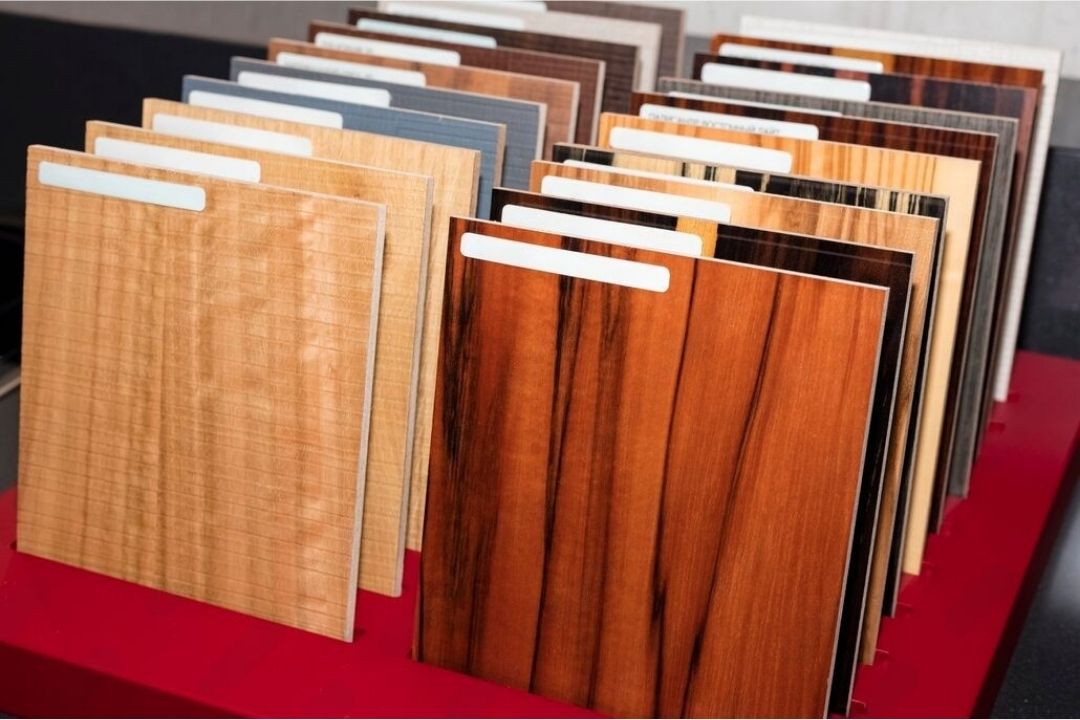
Gambhar: The Perfect Face Veneer Material
Gambhar, locally available in Bihar and Jharkhand, is known for its stability and excellent surface smoothness. Density ranges between 550 kg and 650 kg/m³. Its grain structure is ideal for face veneer layers, giving plywood a premium look and ensuring consistent bonding during pressing.
Poplar: Lightweight Yet Efficient
Poplar grown in Eastern India is slightly lighter than northern variants but still offers consistent fibre structure. Its density ranges between 380 kg and 450 kg/m³. While not as hard as eucalyptus, it remains an excellent choice for intermediate layers, helping balance weight and strength.
Gurjan Substitutes: The Strength of Premium Marine Boards
Due to limited availability of natural gurjan, Bihar factories use hardwood substitutes with densities between 700 kg and 850 kg/m³. These species provide marine-grade strength and are ideal for face layers or stress-critical zones in plywood.
The Advantage of Eastern India’s Geography and Sourcing
The forests and agro-plantations across Jharkhand, Bihar, Odisha, and parts of West Bengal provide abundant access to high-density hardwoods. This geographical advantage directly benefits plywood manufacturers in Bihar.
Shorter Transport Routes
Logs transported over long distances lose moisture and develop surface cracks.Bihar’s proximity to hardwood sources ensures:
- Fresher logs
- Stable moisture content
- Minimal fibre degradation
- Lower sourcing cost
- Higher Fibre Density Due to Climate
Eastern India receives high rainfall, allowing hardwoods to develop tighter fibre structures, which naturally increase:
- Bending strength
- Elasticity modulus
- Resistance to splitting
- Consistent Log Supply
The agro-forestry movement has led to widespread planting of eucalyptus and poplar. This stable supply chain ensures that factories in Siwan and neighbouring regions always have access to high-quality raw material.
How High-Density Hardwoods Improve Plywood Strength Superior Internal Bond Strength
Internal bond (IB) strength indicates how well layers adhere to each other. Low-density woods may provide IB values around 0.6 N/mm², while hardwood cores can achieve 0.9–1.2 N/mm², significantly increasing the durability of the sheet.
Higher Screw-Holding Capacity
Plywood made from hardwood holds screws more tightly, preventing furniture joints from loosening over time. This is essential for:
- Beds
- Wardrobes
- Modular kitchens
- Office furniture
- Better Load Distribution
Dense core layers distribute load across the panel more evenly. This helps prevent:
- Sagging
- Cracks
- Delamination
- Bending under weight
- Improved Dimensional Stability
In Bihar’s humid climate, stability is everything. Hardwood cores resist moisture absorption better, reducing the chances of warping and surface bubbles.
The Manufacturing Process When Using Hardwoods in Bihar Peeling and Veneer Preparation
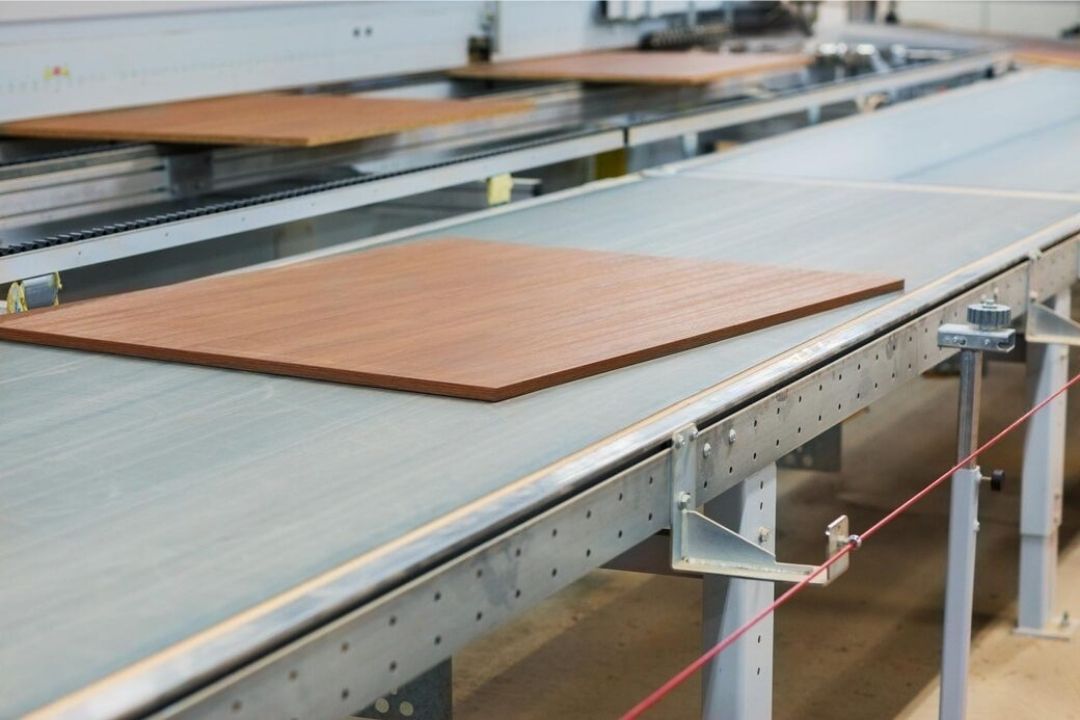
Hardwoods require more precise rotary peeling due to their fibre density. Knives must remain sharper, and peeling angle adjustments are made to avoid surface tearing.
Drying Techniques
Dense veneers need longer drying times and accurate temperature curves. During monsoon, manufacturers increase drying temperatures by 10–15°C to compensate for high humidity. Hardwood veneers dry slower but more uniformly.
Glue Application Adaptations
Since hardwood veneers are less porous, glue spread must be controlled to prevent resin accumulation. Factories adjust glue viscosity to ensure deep penetration into dense fibres.
Pressing Parameters
Dense hardwood veneers demand higher pressing pressure. Factories in Bihar typically increase pressure to:
- 12–14 kg/cm² for MR grade
- 14–16 kg/cm² for BWR and Marine grade
- This ensures strong bonding between layers.
- Conditioning and Stabilization
Hardwood plywood needs thorough conditioning due to its slower moisture equalization rate. Conditioning rooms in Siwan maintain:
- 25–35°C temperature
- 40–50% relative humidity
To stabilize the boards before dispatch.
Why Bihar’s Manufacturers Prefer Hardwood Over Softwood
Softwoods may be easier to peel and dry, but they lack the structural integrity required for high-performance plywood. Hardwood-based plywood lasts significantly longer in real-world applications, particularly in regions with humidity swings like Bihar.
Hardwood plywood:
- Supports heavier loads
- Maintains shape longer
- Resists impact better
- Performs well in kitchens and bathrooms
- Tolerates outdoor exposure when combined with PF resin
This performance advantage keeps hardwood plywood in high demand across India.
Impact on Bihar’s Construction and Furniture Industry
The rise in hardwood-based plywood manufacturing has strengthened multiple sectors in Bihar.
Real Estate Builders prefer hardwood plywood for roofing, shuttering, walls, and flooring substructures due to its load-bearing capacity.
Furniture Manufacturing
Carpenters and modular furniture companies choose hardwood plywood for:
- Wardrobes
- Cabinets
- Office desks
- Modular setups
- Exports and Inter-State Trade
Bihar’s plywood now competes with products from Haryana, Kerala, and Assam due to the strength advantage offered by hardwoods. This has increased outbound shipments to UP, Bengal, and Jharkhand.
Conclusion
High-density hardwoods form the backbone of the plywood manufacturing ecosystem in Bihar. They provide strength, durability, and stability that softwoods cannot match. From eucalyptus cores to gambhar faces and gurjan substitutes for high-stress applications, Eastern India’s hardwoods offer unmatched structural performance. Combined with Bihar’s growing industrial infrastructure and climate-adaptive manufacturing processes, these hardwood species allow plywood factories—especially in Siwan—to produce boards that stand out in the national market.
Hardwood plywood is not just stronger—it is smarter, more durable, and engineered for long-term reliability
FAQ Section
1.Why do Bihar plywood factories prefer hardwood over softwood?
Because hardwood provides better strength, higher density, and improved bonding performance, especially in humid conditions.
2.Which hardwood species are most commonly used in Bihar?
Eucalyptus, gambhar, poplar, and gurjan substitutes are widely used across plywood plants in Siwan and surrounding regions.
3.How does hardwood improve plywood durability?
Hardwood has stronger fibre structure, higher IB strength, and better screw retention, making plywood long-lasting.
4.Does hardwood make plywood heavier?
Yes, but the added weight contributes to its structural stability and increased load capacity.
5.Is hardwood plywood suitable for kitchens and bathrooms?
Yes, especially when combined with MUF or PF resin for waterproof performance.